Interface behaviour
States, permissions, errors, responsive decisions and the small rules users feel immediately.
 gaxunori
STACK FOUNDRYInterfaces / services / data / operations
ContactBUILD NOTE / 01
We turn product requirements into a visible full-stack system—one your team can reason about, operate and extend after handoff.
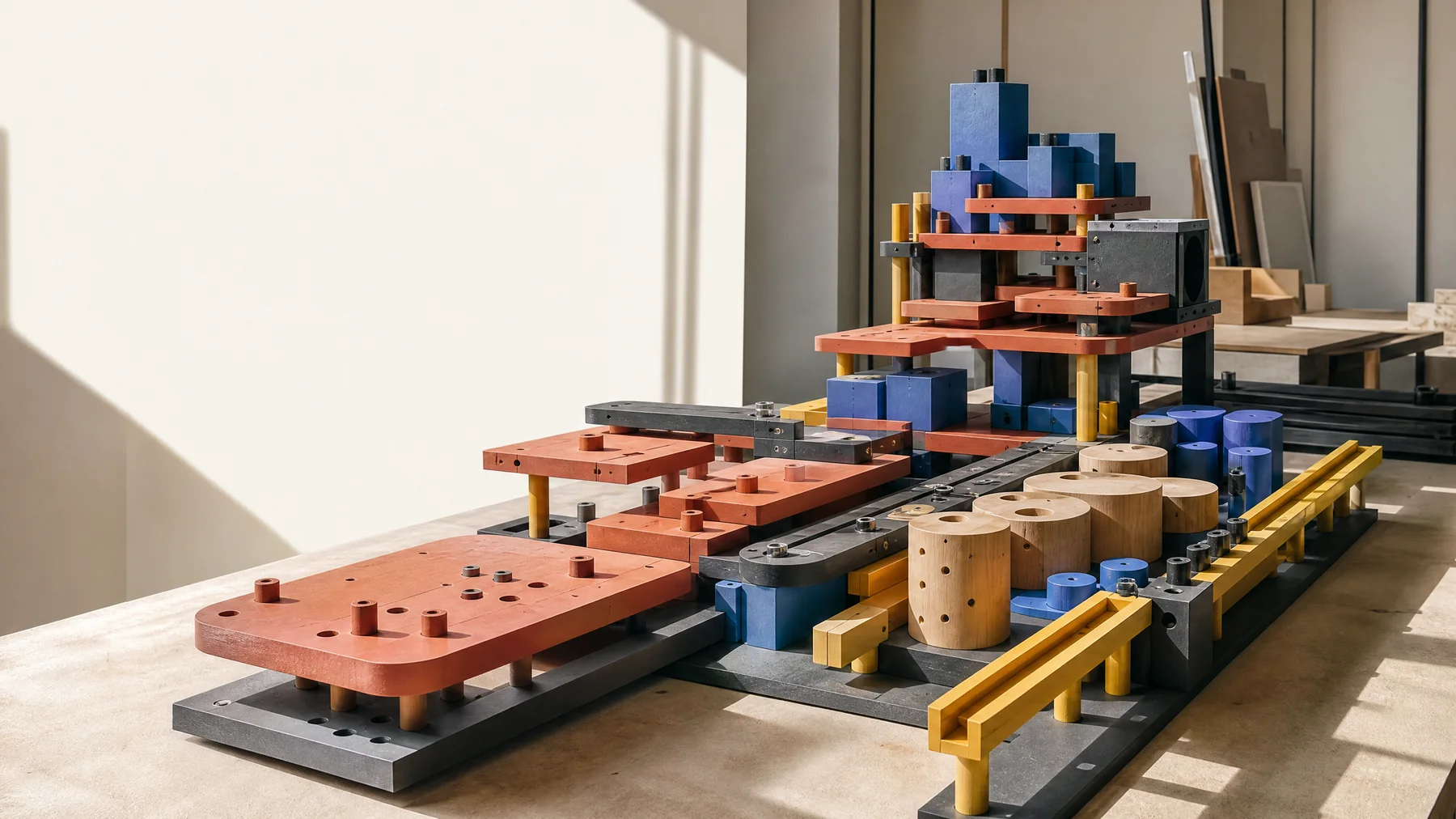
THE WORKBENCH / NOT THE PITCH DECK
States, permissions, errors, responsive decisions and the small rules users feel immediately.
Clear boundaries between browser, services, integrations, data and asynchronous work.
How releases, observability, migrations and failure recovery remain understandable.
LAYER COMPOSER / INTERACTIVE
Each layer adds a different promise. The architecture is coherent when those promises meet cleanly.

LAYER 01 / INTERFACE
We define loading, empty, permission, error and recovery behaviour alongside the successful path.
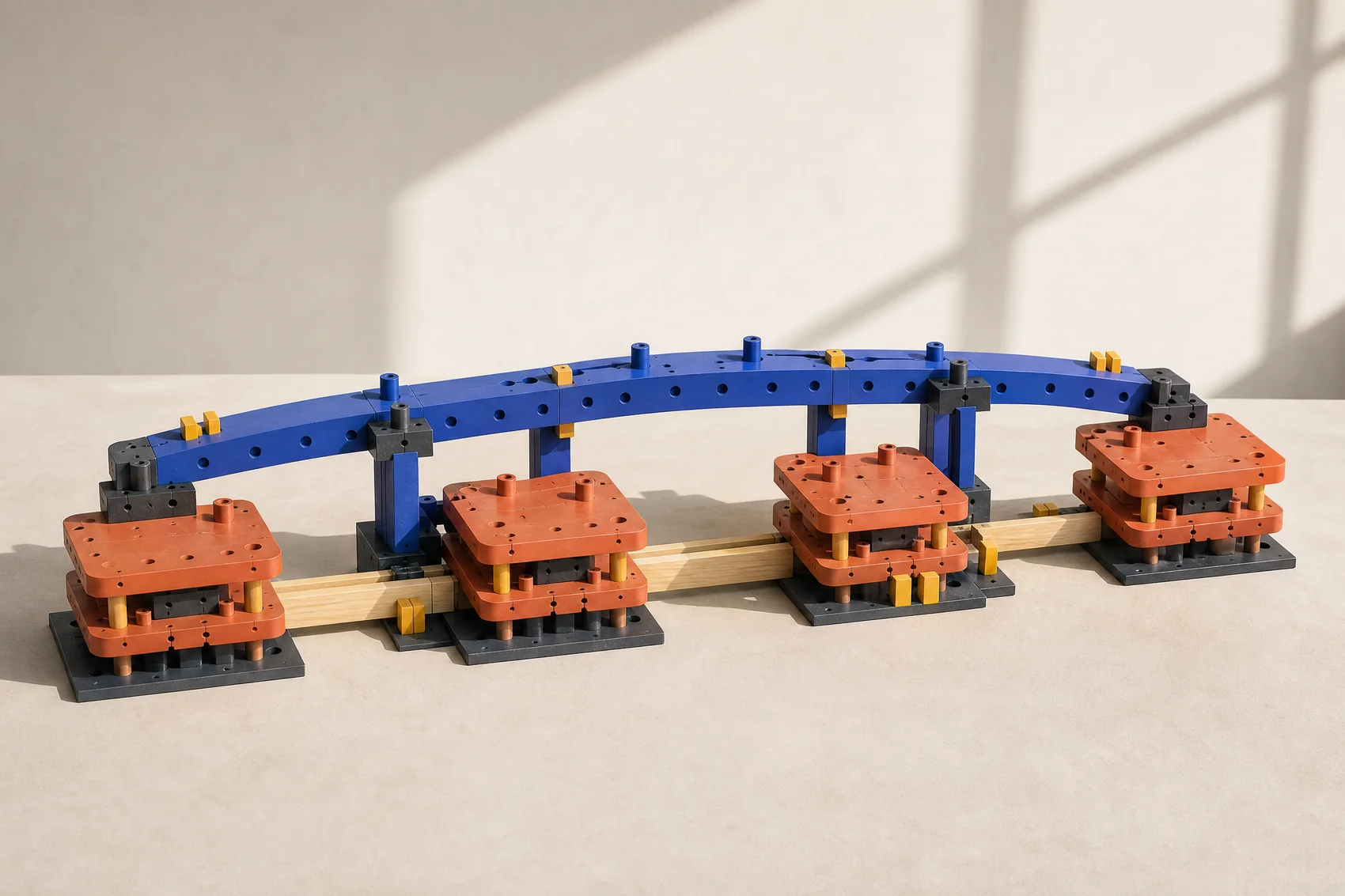
THE JOINTS / WHERE SYSTEMS AGE
We keep rules close to the layer that owns them, make external assumptions visible and design failure handling before integrations become production dependencies.
Requests stay explicit when fields, roles or workflows evolve.
Retries, queues and partial failure are part of the design.
Logs and events answer operational questions, not just emit noise.
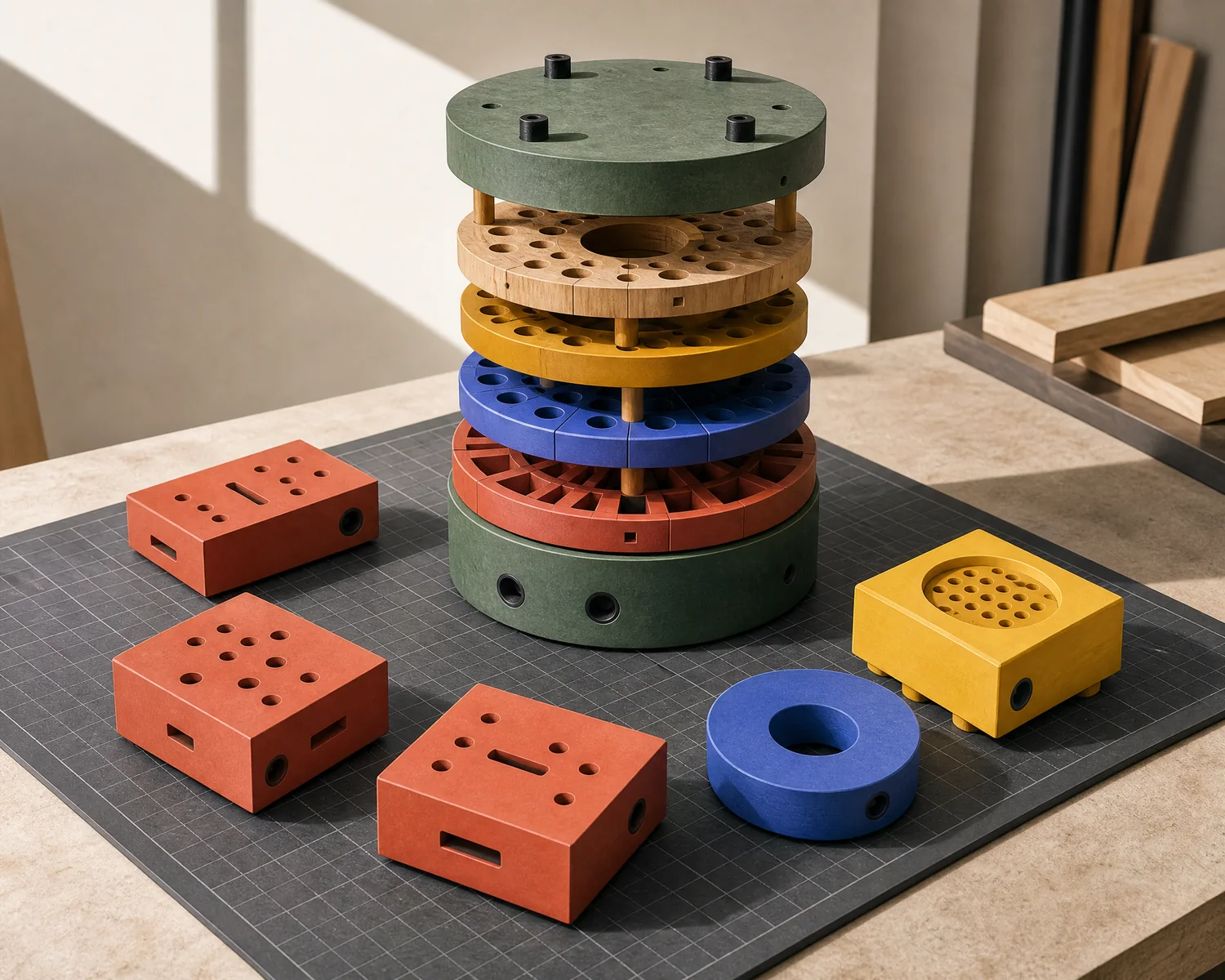
DELIVERY GANTRY / CONTINUOUS HANDOFF
Delivery is structured so product decisions, technical boundaries and operational knowledge arrive together—not as three separate projects.
Users, constraints and acceptance evidence.
Walking slices across the complete stack.
Failure, permissions, performance and recovery.
Runbooks, decisions and an owned backlog.
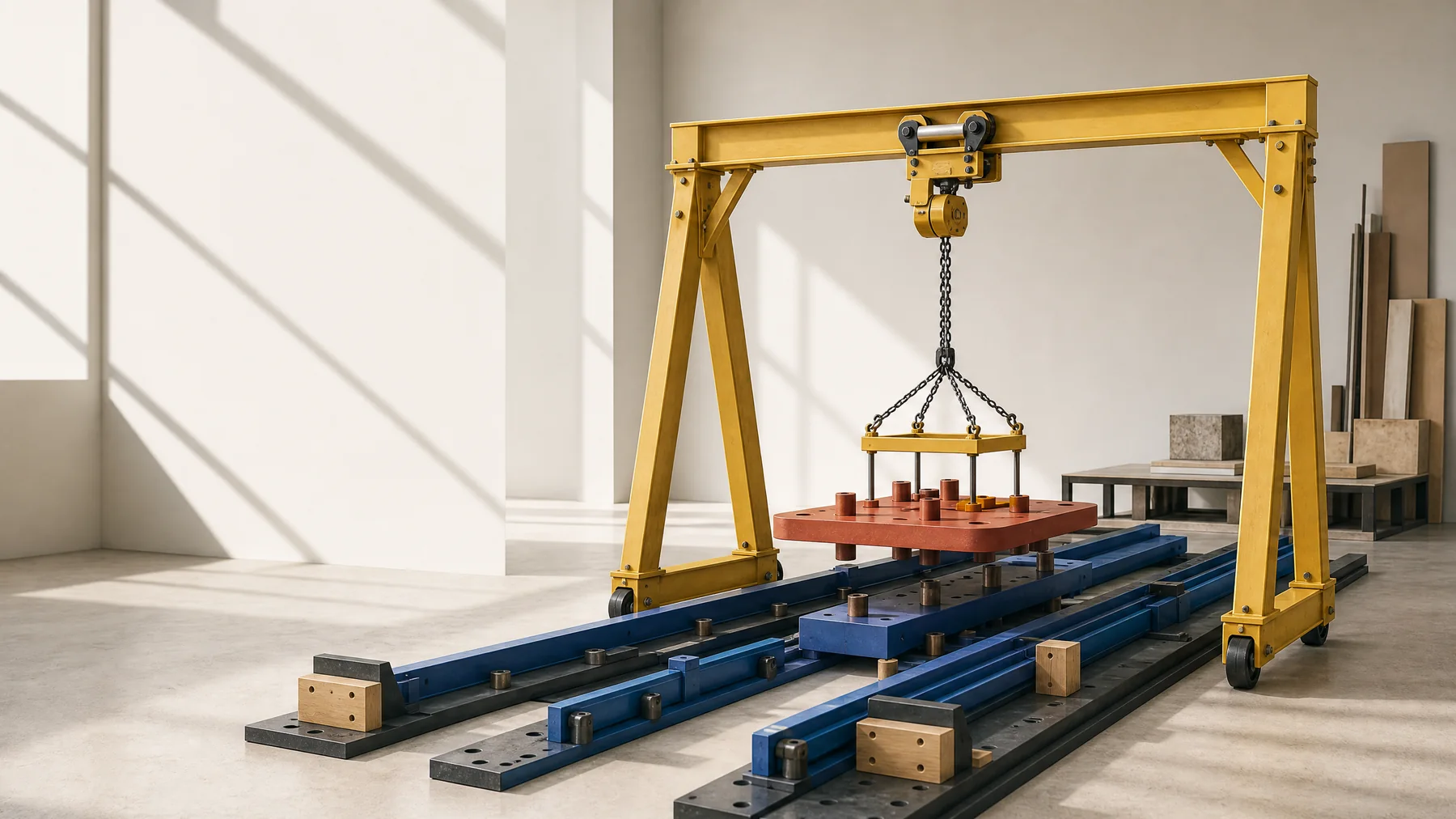
TEST WALL / FOUR BAYS
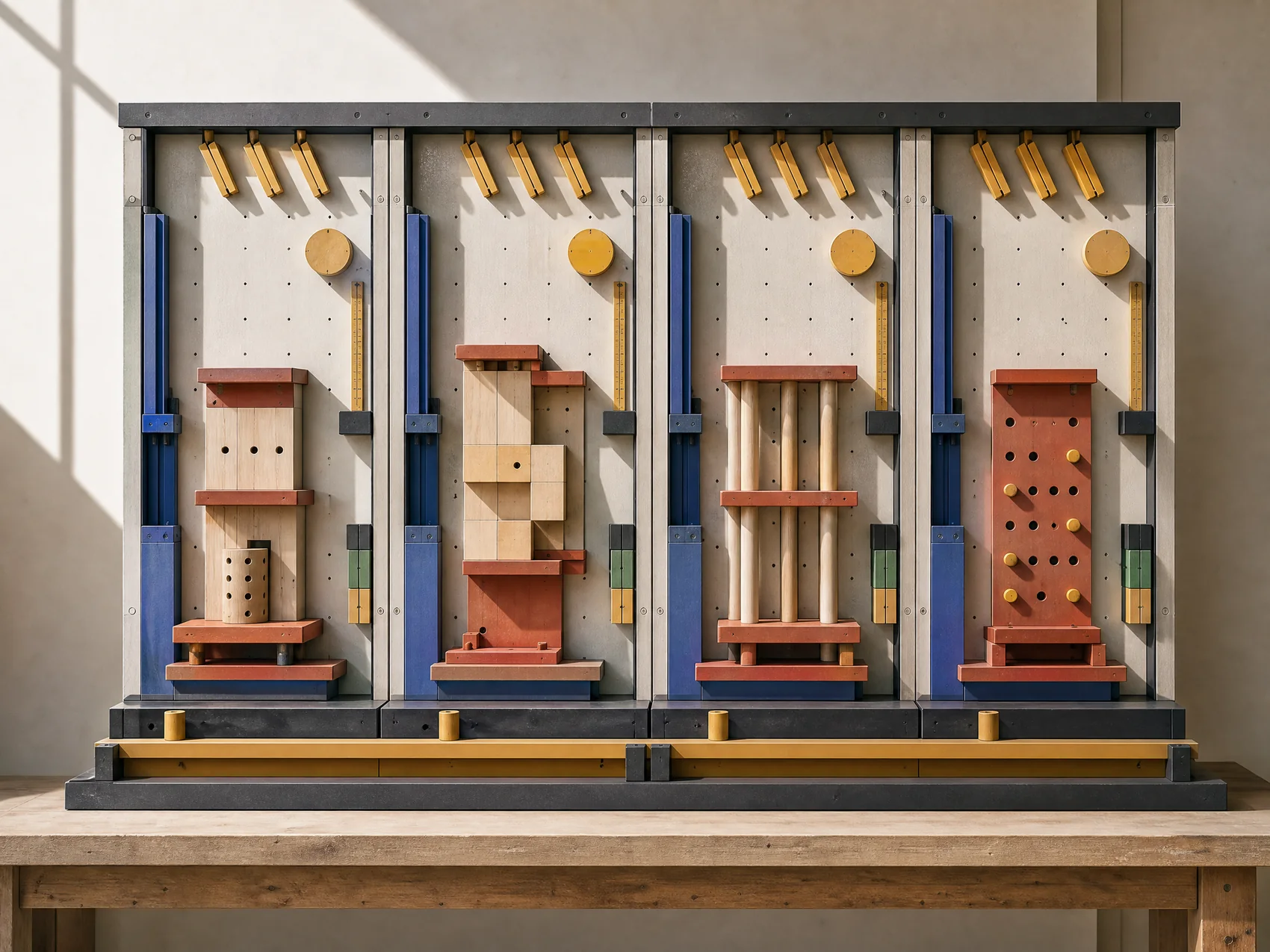
Keyboard, semantics, focus and readable states are designed into components.
Layout decisions follow content pressure instead of arbitrary devices.
Important journeys can be understood when they succeed or fail.
The team can extend behaviour without rebuilding the entire surface.
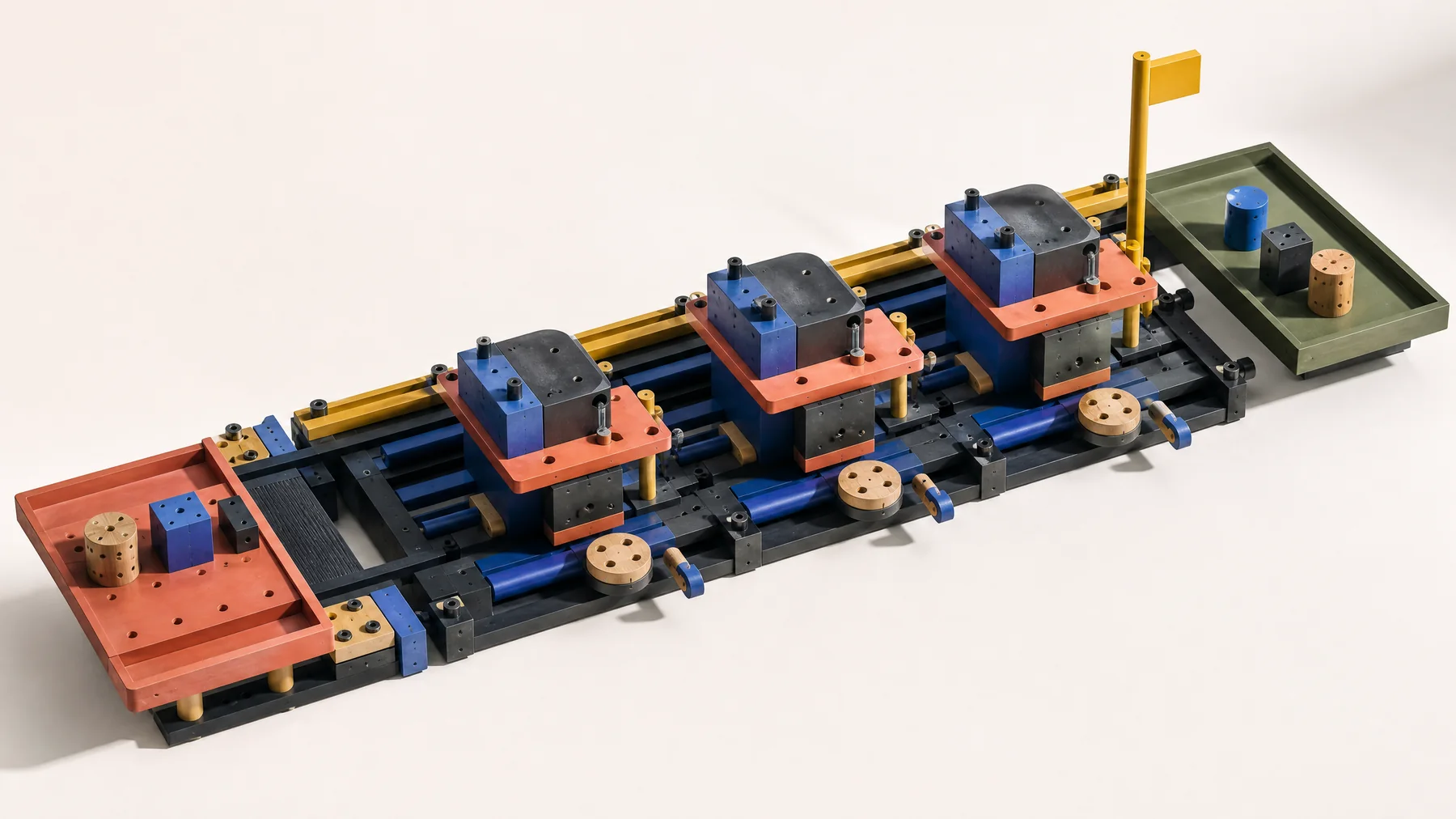
RUN THE PRODUCT / NOT JUST THE DEPLOYMENT
We decide which journeys matter, which failures require action and what information the next engineer needs at 09:00 on a difficult morning.
AFTER THE FIRST RELEASE
Systems change. The useful question is whether the next capability has a clear place to connect and a team that understands the consequence.

BENCH QUESTIONS
Yes. We begin by tracing behaviour, dependencies, release constraints and the decisions already embedded in the system.
When the product needs both, we structure walking slices across interface, services, data and operations rather than treating them as disconnected tracks.
We recommend a stack after understanding team capability, product constraints, integrations, deployment environment and expected change.
Often. We identify the highest-risk seams, improve observability and replace behaviour in controlled slices where the evidence supports it.
The agreed handoff includes architecture decisions, operational guidance and a prioritised continuation path—not only source files.
No matching question. Add it to the build brief.
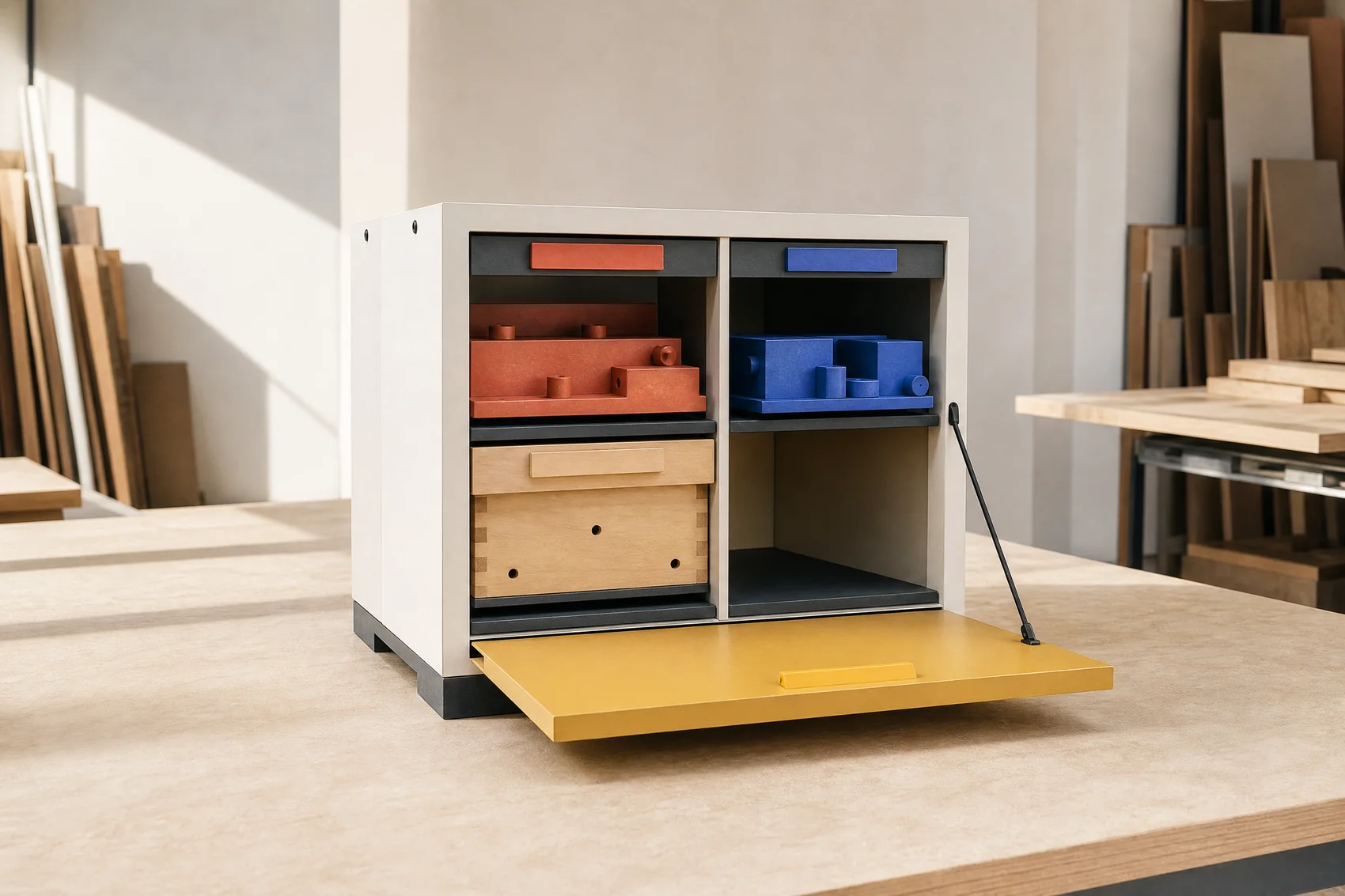
OPEN A BUILD BRIEF
Describe the users, the most important flow and the seam causing the most uncertainty. We will reply with a useful first working format.
[email protected]